
Introduction
Liquefied Petroleum Gas (LPG) storage tanks are a critical component of safe and reliable LPG storage across Kenya’s domestic, commercial, and industrial sectors. Designed to store LPG in a pressurized liquid state, these tanks must withstand high internal pressure, fluctuating temperatures, and harsh environmental conditions.
At Exstream Energy Solutions, we understand that the materials used, wall thickness, and overall tank design directly impact safety, durability, and long-term performance. That’s why we supply LPG storage tanks that are engineered to meet strict safety standards while delivering dependable service for years to come.
Types of LPG Storage Tanks We Supply
LPG storage tanks are categorized based on their structure, installation method, and intended use. At Exstream Energy Solutions, we provide LPG tanks suitable for a wide range of applications across Kenya.
Above-Ground Storage Tanks (AGST)
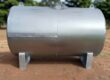
These are the most commonly used LPG tanks and are available in cylindrical or spherical designs. They range from small-capacity tanks for residential or commercial use to large industrial tanks. Above-ground tanks offer easy inspection, maintenance, and cost-effective installation.
Underground Storage Tanks (UGST)
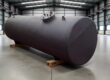
Installed below ground level, underground LPG tanks are ideal where space is limited or where visual impact needs to be minimized. These tanks offer added protection from environmental exposure and are commonly used in urban or high-traffic areas.
Horizontal and Vertical Cylindrical Tanks
Horizontal and vertical LPG tanks are widely used in industrial and commercial installations. The flexibility of these designs allows our clients to select tanks that best suit their site layout, capacity requirements, and operational needs.
Design and Construction Excellence
Safety and durability are at the core of every LPG storage tank we offer.
Material Selection
Most LPG tanks supplied by Exstream Energy Solutions are manufactured from high-grade steel, chosen for its strength and pressure-handling capabilities. To extend service life, tanks are treated with protective coatings that guard against corrosion—especially important for outdoor and underground installations in Kenya.
Pressure Ratings
LPG tanks are designed to safely store gas at pressures typically ranging between 100–250 psi (6–17 bar). To enhance safety, each tank is fitted with certified pressure relief valves that automatically release gas if internal pressure exceeds safe operating limits.
Temperature Stability
Since LPG vaporizes at low temperatures, tank designs account for thermal expansion and contraction. Some installations include insulation or temperature management solutions to maintain stability under varying climatic conditions.
Welded Construction
Our LPG tanks are fabricated using high-quality welded joints, ensuring structural integrity and leak-free performance under continuous pressure.
Material Selection Criteria: Why Quality Matters
Choosing the right LPG tank material is essential for long-term safety and value:
- Pressure Resistance: Materials must safely withstand the internal pressure required to keep LPG in liquid form.
- Corrosion Resistance: Protective coatings and corrosion-resistant steel prevent premature deterioration.
- Temperature Tolerance: Tanks must remain structurally sound despite temperature fluctuations.
- Cost Efficiency: Steel tanks with advanced coatings offer an ideal balance between affordability, strength, and durability.
At Exstream Energy Solutions, every LPG tank is selected to meet these critical performance benchmarks.
Factors Affecting LPG Storage Tank Wall Thickness
a) Operating Pressure and Temperature
Higher operating pressures require thicker tank walls to prevent deformation or rupture. Temperature variations also influence material behavior—cold conditions may increase brittleness, while heat raises internal pressure.
b) Tank Size and Capacity
Larger tanks experience greater internal stress due to increased surface area. As capacity increases, wall thickness must also increase to maintain structural integrity and safety.
c) Material Properties
High-strength materials like carbon steel allow for optimized wall thickness while maintaining safety. Tanks exposed to corrosive conditions may require additional thickness to account for long-term material loss.
d) Environmental Conditions
Moisture-rich or corrosive environments—common in underground installations—necessitate thicker walls and advanced protective coatings to ensure long service life
Calculating the Correct Wall Thickness
The wall thickness of LPG tanks is determined using internationally recognized engineering standards such as the ASME Boiler and Pressure Vessel Code (BPVC). These calculations consider:
- Internal design pressure
- Allowable material stress
- Weld joint efficiency
By adhering to these standards, Exstream Energy Solutions ensures every LPG tank supplied meets safety, regulatory, and performance expectations.
Essential Safety Features of Our LPG Tanks
Every LPG tank supplied by Exstream Energy Solutions is equipped with critical safety systems, including:
- Pressure Relief Valves to prevent over-pressurization
- Excess Flow Valves that automatically stop gas flow in case of pipe rupture
- Emergency Shut-Off Valves for rapid isolation during emergencies
- Automatic Tank Gauging Systems to monitor pressure, temperature, and liquid levels
- Ventilation and Fire Protection Provisions for safe industrial installations
These features collectively reduce risk and enhance operational safety.
Installation and Maintenance Support
Proper installation and ongoing maintenance are essential to LPG tank performance.
- Safe Installation Distances: Tanks are installed according to capacity-based clearance requirements from buildings and boundaries.
- Stable Foundations: Fire-resistant and structurally sound foundations ensure long-term stability.
- Routine Inspections: Regular checks for corrosion, valve performance, and structural integrity.
- Leak Detection and Training: Systems are in place to detect leaks early, with trained personnel ready to respond.
Exstream Energy Solutions supports clients throughout the entire lifecycle—from supply and installation to inspection and maintenance guidance.
Conclusion
LPG storage tanks are a vital investment for safe and efficient LPG storage and distribution. The choice of material, wall thickness, and safety features directly affects performance, durability, and long-term operating costs.
At Exstream Energy Solutions, we don’t just supply LPG tanks—we deliver engineered safety, proven reliability, and long-term value. Our tanks are designed to meet demanding operational conditions while complying with recognized safety standards.
If you’re looking for high-quality LPG storage tanks you can trust, Exstream Energy Solutions is your dependable partner—Watching every Litre… every Step of the Way!
Please leave your review.