EXSTREAM ENERGY SOLUTIONS IN EAST AFRICA
Fuel Dispensing Pumps for East Africa
Selecting reliable dispensing equipment for different fuel products, station layouts and operating environments
Introduction: Why Fuel Dispensing Equipment Matters
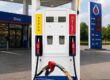
A fuel dispensing pump is a central part of any petrol station or commercial fueling facility. It connects the fuel
storage and delivery system to the vehicle, controls fuel dispensing and provides the information required for a
transaction. Its performance can therefore influence customer experience, operational efficiency and the reliability
of the fueling process.
Across East Africa, fuel stations operate in different environments, from busy urban forecourts and highway stations
to fleet depots, farms, construction sites and industrial facilities. These applications do not always require the same
type of dispenser. The right choice depends on the products being handled, expected demand, available space and
the number of fueling points required.
Exstream Energy Solutions in East Africa provides fuel dispensing solutions for different petroleum applications,
helping customers select equipment around their actual operational requirements rather than simply choosing a
pump based on appearance or price.
Fuel Dispensing Needs Across the East African Market
Petrol stations and commercial fueling facilities may dispense petrol, diesel, kerosene and other approved
petroleum products. A retail station may need several products, while a transport company may mainly require
diesel. A private fleet, agricultural operation or industrial facility may only need one dedicated fuel dispensing point.
These differences make dispenser configuration an important purchasing decision. The number of products, number
of nozzles, customer traffic, expected fuel demand and forecourt arrangement should all be considered before
equipment is ordered.
Exstream Energy Solutions in Kenya, Uganda, Tanzania, Sudan, Somalia, Burundi, Rwanda, and Congo supplies
fuel dispensing solutions for customers with different station and commercial fueling requirements.
Understanding the Main Fuel Dispenser Configurations
Fuel dispensers are available in configurations designed for different dispensing requirements. Understanding the
difference can help station owners avoid purchasing equipment that does not match their intended use.
Twin-Nozzle Dispenser: Two Products
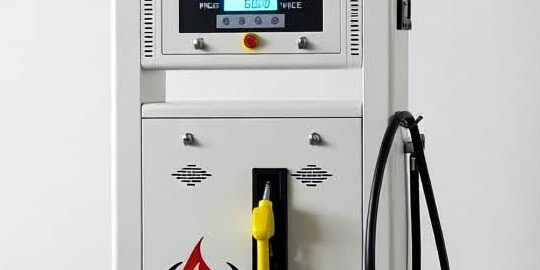
A twin-nozzle dispensing pump has two nozzles, with each nozzle configured to dispense a different product. For
example, one nozzle may be used for petrol and the other for diesel at the same dispensing position.
This arrangement can be useful where a station wants two products available from one dispensing location. It can
also make efficient use of pump-island space while giving customers convenient access to the products they need.
Dual Dispensing Pump: Two Nozzles for One Product
A dual dispensing arrangement with two nozzles can be used where the same product needs to be available through
two separate fueling points. This may be useful for a high-demand diesel or petroleum operation, fleet fueling
facility or another application where multiple vehicles need access to the same product.
The benefit of this configuration is additional access to one product rather than additional product selection. It
should therefore be considered when demand for a particular fuel justifies more than one dispensing point.
Single-Nozzle Dispenser: One Product
A single-nozzle fuel dispenser is designed to dispense one product through one nozzle. It is a straightforward
solution where only one product is required at a particular fueling point.
This option can suit private fuel facilities, fleet operations, smaller dispensing areas and dedicated applications
where simplicity is preferred over multiple-product dispensing.
How to Choose the Right Fuel Dispensing Pump
Selecting a dispenser should be treated as part of the overall fuel station design. The following factors can help
guide the decision.
1. Identify the Products You Will Dispense – Start by determining whether the facility will dispense petrol,
diesel, kerosene or other approved petroleum products. If two different products must be available at one
position, a multi-product arrangement may be appropriate.
2. Estimate Fuel Demand and Customer Traffic -Consider normal and peak fueling activity. A busy highway
station serving trucks and buses may require more dispensing access than a small private fleet facility
3. Consider the Number of Fueling Points -The number of nozzles affects how customers access the fuel. A
twin-nozzle pump provides two product options, while a dual arrangement can provide two access points for
one product.
4. Assess the Forecourt Layout – Available space, pump-island design, vehicle movement and the position of
storage tanks and piping should be considered before selecting the dispenser. The equipment should fit into
the planned layout without creating unnecessary congestion.
5. Think About the Operating Environment – A retail petrol station, truck fueling depot, agricultural facility and
industrial site can have very different operating patterns. Consider how frequently the dispenser will be used,
who will operate it and what type of vehicles or equipment will be fueled.
6. Plan for Maintenance and Technical Support – Fuel dispensing equipment requires inspection, servicing and
occasional repair. Before purchasing, consider the availability of technical support, spare parts, installation
assistance, servicing and calibration support. Long-term support is an important part of the total value of a
dispenser.
Choosing the Right Pump Instead of Simply Choosing the Cheapest
Initial price is important, but it should not be the only factor. A dispenser should be selected based on more than
price. Consider the station’s workload, fuel products, nozzle requirements, maintenance needs and overall system.
Matching the dispenser with the tanks, piping, electrical and fuel management systems helps ensure efficient
operation and avoid costly modifications.
A better approach is to Compare products, nozzle configuration, demand, space, installation and maintenance to
choose the right equipment for your application.
Exstream Energy Solutions in Kenya, Uganda, Tanzania, Sudan, Somalia, Burundi, Rwanda, and Congo helps
customers evaluate these practical considerations so the selected dispensing equipment matches the intended
operation.
Dispensing Pumps for Different East African Applications
Urban Retail Petrol Stations
Urban stations may experience high customer traffic and limited forecourt space. A suitable dispenser should
support efficient vehicle movement while providing the required combination of fuel products.
Highway and Transport Stations
Highway stations may serve trucks, buses and other long-distance vehicles, often creating strong diesel demand.
Dispensing access, reliability and serviceability can therefore be important considerations.
Fleet and Commercial Fueling Facilities
Private fleets often have predictable fueling patterns and may focus on one main product. A dedicated single-
product or dual dispensing arrangement can be practical where controlled fueling is the main objective.
Agricultural, Construction and Industrial Sites
These users may operate their own storage and dispensing facilities. The dispenser should be selected according to
the product, expected usage, site conditions and available infrastructure.
Fuel Dispenser Maintenance, Supply, Installation, Service and Repair
Regular maintenance helps keep fuel dispensing equipment reliable and identify potential problems before
they cause major interruptions. Service needs vary depending on the dispenser, operating hours, fuel type and
site conditions and may include inspecting hoses and nozzles, checking connections, troubleshooting
mechanical or electronic faults, replacing damaged components, testing and calibration. When faults occur,
professional diagnosis and repair are important to maintain safe and accurate fuel dispensing. Exstream
Energy Solutions in Kenya, Uganda, Tanzania, Sudan, Somalia, Burundi, Rwanda, and Congo supplies, installs,
services and repairs fuel dispensing pumps for petrol stations, commercial fueling facilities, fleet applications
and other petroleum operations. We support both new installations and existing stations, from selecting the
right dispensing configuration to maintaining reliable equipment performance.
Why Work With Exstream Energy Solutions?
Fuel dispensing equipment should be selected with a clear understanding of the station’s products, demand
and physical layout. A supplier should therefore provide more than a product catalogue; practical guidance
and after-sales technical support are also valuable.
Exstream Energy Solutions in Kenya, Uganda, Tanzania, Sudan, Somalia, Burundi, Rwanda, and Congo serves
customers looking for petroleum equipment and fuel station solutions suited to their specific applications.
Our focus is on practical equipment selection, professional installation and ongoing service support, whether
the requirement is a new dispenser, replacement equipment, station upgrade or commercial fueling solution.
Fuel Dispensing Solutions Across East Africa
The growing transport, logistics, construction, agriculture and industrial sectors across the region continue to
create demand for dependable fuel dispensing infrastructure. As businesses establish new stations or upgrade
existing facilities, choosing the right dispensing equipment can improve the efficiency and usability of the
fueling operation.
Exstream Energy Solutions in East Africa supports customers seeking fuel dispensing equipment for different
operating environments. From retail petrol stations to private fleet and industrial fueling facilities, the
appropriate dispenser should be based on the actual application rather than a generic specification.
With suitable configuration, proper installation and regular servicing, fuel dispensing equipment can provide
dependable service and support smoother daily operations.
Conclusion
There is no single fuel dispenser configuration that is ideal for every station. A twin-nozzle pump is suitable where
two products need to be available, a dual dispensing arrangement can provide two nozzles for one high-demand
product, and a single-nozzle pump offers a simple solution for one-product applications.
The best selection depends on product requirements, fuel demand, number of fueling points, forecourt space,
customer traffic, operating environment and long-term maintenance needs.
If you are planning a new station, expanding a fueling facility or replacing existing dispensing equipment, Exstream
Energy Solutions in Kenya, Uganda, Tanzania, Sudan, Somalia, Burundi, Rwanda, and Congo can support you with
fuel dispensing pump supply, installation, servicing and repair.
Contact Exstream Energy Solutions in East Africa to discuss your fuel dispensing requirements and identify a
configuration suited to your station or commercial fueling application.