Exstream Energy Solutions Calibration Cans
in Kenya:
Accurate fuel measurement is essential for petrol stations, fuel depots, transport companies,
industrial facilities and other businesses that handle petroleum products. Even a small difference
between the quantity displayed by a fuel dispenser and the actual quantity delivered can result in
significant losses over time.
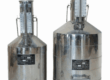
A calibration can, also known as a fuel measuring can or test measure, is a precision
container used to check and verify the accuracy of fuel dispensing pumps, flow meters and other
fuel measurement equipment. It provides a known volume against which the quantity indicated
by a dispensing system can be compared.
For businesses looking for a reliable calibration can in Kenya, choosing a properly
manufactured and appropriately calibrated measuring can is important for accurate fuel
measurement and effective pump testing.
What Is a Fuel Calibration Can?
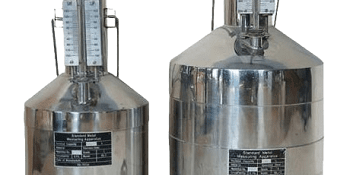
A calibration can is a graduated measuring container designed to hold and measure a specific
volume of liquid accurately. In fuel stations, it is commonly used to test whether a dispensing
pump is delivering the quantity indicated on its display.
For example, if a pump indicates that it has dispensed 20 litres, the fuel can can be used as a
reference measure to determine whether the actual quantity delivered corresponds to the
indicated volume.
Calibration cans are commonly manufactured from durable materials such as stainless steel or
other suitable metals and feature clearly defined volume markings. Their design allows
technicians to carry out practical fuel measurement checks at the dispensing point.
Exstream Energy Solutions in Kenya supplies fuel measuring and calibration cans for
businesses that require reliable equipment for fuel pump and flow meter testing. The company
currently lists 10-litre and 20-litre calibration cans for sale in Kenya.
How Does a Calibration Can Work?
The basic principle is straightforward.
A known quantity is dispensed from a fuel pump into the calibration can. The volume shown on
the pump is then compared with the actual quantity indicated by the measuring can.
The process can help determine whether the dispensing equipment is:
- Delivering the expected fuel quantity.
- Over-dispensing fuel.
- Under-dispensing fuel.
- Showing inaccurate volume readings.
- Requiring further inspection or calibration.
Where a difference is identified, a qualified technician can investigate the dispensing system and
determine whether adjustment, servicing or recalibration is required.
This makes a calibration can a simple but important tool for maintaining confidence in fuel
measurement.
Where Are Calibration Cans Used?
Calibration cans can be useful in a variety of fuel-handling environments, including:
1. Petrol Stations-Fuel stations can use measuring cans to check dispensing pump
accuracy and identify differences between displayed and actual fuel quantities.
2. Fuel Depots-Depots handling large quantities of petroleum products can use
appropriate measurement equipment as part of broader fuel-transfer and measurement
controls.
3. Fuel Tankers and Trucks-Fuel delivery operations may require measurement checks
to improve accountability during fuel transfers and deliveries.
4. Industrial Facilities-Industries using diesel for machinery, boilers, generators or other
equipment can benefit from reliable fuel measurement.
5. Construction Sites-Construction companies can use fuel measurement equipment to
monitor diesel issued to heavy machinery, generators and other equipment.
6. Farms-Agricultural operations can use measuring equipment to monitor fuel supplied to
tractors, irrigation pumps and other machinery.
7. Generator Installations-Businesses and facilities that rely on diesel generators can
use fuel measurement to improve consumption monitoring and accountability.
Calibration Can Sizes
The appropriate calibration can capacity depends on the application and the measurement being
checked.
Common sizes include:
- 10-litre calibration cans
- 20-litre calibration cans
Different applications may require different capacities or specifications. The measuring can
should therefore be selected according to the dispensing equipment, testing procedure and
applicable requirements.
Exstream Energy Solutions in Kenya offers 10L and 20L fuel measuring/calibration cans,
providing options for businesses carrying out fuel dispenser and measurement checks.
Benefits of Using a Calibration Can
Regular pump accuracy checks can help businesses:
1. Helps Verify Pump Accuracy-The primary purpose of a calibration can is to provide a
reference volume for checking the quantity delivered by a fuel dispenser.
2. Helps Identify Fuel Losses-If a dispenser consistently delivers more fuel than indicated,
the resulting difference can contribute to operational losses. Regular measurement checks can
help identify such issues.
3. Supports Better Fuel Accountability-Accurate pump measurement makes it easier to
compare fuel dispensed with sales records, tank readings and other fuel-management data.
4. Improves Customer Confidence-Accurate dispensing helps ensure that customers
receive the quantity of fuel indicated on the pump, supporting transparency and trust.
5. Supports Preventive Maintenance-Regular testing can reveal developing measurement
problems before they become more serious equipment issues.
6. Useful for On-Site Testing-A portable measuring can allows fuel measurement checks to
be performed directly at the dispensing point, making it a practical tool for service stations and
fuel-handling facilities.
A suitable calibration can in Kenya can help petrol station operators and fuel businesses verify
dispensing accuracy and identify measurement differences before they develop into larger
operational or financial problems.
Calibration Can and Fuel Pump Calibration
A calibration can is one component of the wider fuel pump calibration process. The can itself
provides a reference measurement, while the technician performs the necessary checks and,
where required, adjustments to the dispensing equipment.
During a pump calibration exercise, technicians may check:
- Fuel quantity delivered.
- Flow rate.
- Meter accuracy.
- Nozzle performance.
- Differences between indicated and actual volume.
- Equipment condition.
If inaccuracies are identified, further adjustment or servicing may be required.
Exstream Energy Solutions in Kenya provides fuel pump and meter calibration services, with
technicians using calibrated equipment to check dispensing accuracy and flow rate.
How to Choose a Calibration Can in Kenya
Before purchasing a calibration can, consider:
1. Capacity-Choose a capacity suitable for the type of fuel dispenser or meter being
tested. Common options include 10L and 20L models.
2. Material-The can should be manufactured from durable material suitable for the
intended application and operating environment.
3. Measurement Markings-Graduations should be clear and easy to read so that
technicians can accurately determine the volume.
4. Accuracy and Calibration-The measuring can should be appropriately calibrated or
supplied with suitable calibration documentation where required.
5. Ease of Handling-A practical design should allow technicians to safely transport,
position and use the can during testing.
6. Supplier Support-Working with a supplier that understands fuel measurement
equipment can help businesses select the appropriate model and obtain technical support.
When purchasing a calibration can in Kenya, businesses should consider more than the
purchase price. Measurement accuracy, construction quality, intended application and
availability of technical support are important factors for long-term reliability.
Calibration Cans and Regulatory Compliance
Fuel measurement equipment plays an important role in maintaining accurate dispensing
systems. In Kenya, dispensing pumps are subject to requirements under the Weights and
Measures framework, including provisions concerning calibration devices and verification.
However, a calibration can alone does not automatically make a fuel station compliant. Proper
testing, verification, calibration procedures and applicable regulatory requirements should be
handled by appropriately qualified personnel.
Businesses should ensure that their fuel dispensing equipment is regularly inspected and
maintained according to the requirements applicable to their operations.
Common Problems a Calibration Can Can Help Identify
Regular measurement checks can help identify issues such as:
- Over-dispensing.
- Under-dispensing.
- Incorrect pump readings.
- Calibration drift.
- Meter accuracy problems.
- Changes in dispensing performance.
- Inconsistencies between pump readings and actual delivery.
Identifying these problems early can help businesses take corrective action and reduce the risk of
accumulating fuel losses.
Why Choose Exstream Energy Solutions in Kenya?
Exstream Energy Solutions in Kenya provides fuel measurement equipment and calibration-
related services for petrol stations and other businesses handling petroleum products.
Its fuel-related solutions include:
- Calibration cans and fuel measuring cans.
- Fuel pump calibration.
- Flow meter calibration.
- Tank calibration.
- Fuel dispensing equipment.
- Fuel transfer pumps.
- Fuel storage solutions.
- Wet-stock management support.
The company states that its technicians are certified by the Department of Weights & Measures
and provide pump calibration using calibrated equipment.
This combination of equipment and technical services allows businesses to address both the
measurement tool and the accuracy of the fuel dispensing system.
Fuel Measurement Solutions for Petrol Stations and
Businesses
Accurate fuel measurement is important whether a business operates a single petrol station,
multiple service stations, a fuel depot, a transport fleet or an industrial fuel facility.
A suitable calibration can can provide a practical reference point for testing fuel dispensers,
while professional calibration and maintenance services can help keep the wider fuel
measurement system operating accurately.
Exstream Energy Solutions in Kenya supports businesses with fuel measurement equipment
and services designed to improve fuel accountability, measurement accuracy and operational
control.
Conclusion:
Improve Fuel Accuracy With the Right Calibration
Equipment
A calibration can is a simple but valuable tool for verifying the accuracy of fuel dispensers and
other fuel measurement equipment. By comparing the quantity indicated by a pump with a
known reference volume, businesses can identify measurement differences and take corrective
action where necessary.
For petrol stations and other fuel-handling businesses, regular measurement checks can support
better fuel accountability, reduced measurement-related losses, improved stock
reconciliation and greater customer confidence.
If you are looking for a calibration can in Kenya, choosing the right capacity, construction,
accuracy and technical support is essential.
Exstream Energy Solutions in Kenya supplies fuel measuring and calibration cans, including
10L and 20L options, alongside pump calibration, meter calibration, tank calibration and other
petroleum equipment and services.
For businesses seeking reliable fuel measurement equipment, a properly selected calibration can
can be an important part of maintaining accurate dispensing and better fuel management.