LC METER:
ACCURATE FUEL MEASUREMENT, CONTROL & EFFICIENCY
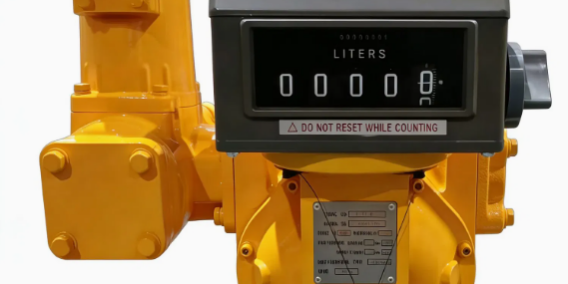
An LC meter for fuel is a measurement device used to determine the quantity of fuel moving
through a transfer, delivery, loading, unloading or dispensing system. Depending on the model
and application, it can be used with compatible petroleum products such as diesel and petrol.
Accurate fuel measurement helps businesses that purchase, store, transport or dispense fuel
maintain better stock control, delivery verification, fuel accountability and operational
efficiency. For businesses looking for an LC Meter in Congo, Uganda, Tanzania, Sudan,
Somalia, Burundi, Rwanda, and Kenya the right equipment should be selected according to
fuel type, flow rate, accuracy, pipe or hose size, installation conditions and operating
environment.
How Does an LC Fuel Meter Work?
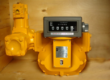
A fuel meter measures the volume of fuel passing through a designated section of a fuel line.
Depending on the design, it may use mechanical, electronic, turbine or other flow-
measurement technology.
As fuel passes through the meter, the transferred quantity is measured and displayed or recorded.
This information can support fuel delivery records, dispensing, stock reconciliation and
consumption monitoring.
For reliable results, the meter should be suitable for the application and properly installed,
maintained and calibrated or verified where required.
Why Accurate Fuel Measurement Matters
Fuel is a major operating cost for transport, logistics, agriculture, construction, mining,
manufacturing, telecommunications, power generation and petroleum retail.
Accurate measurement helps businesses:
- Improve fuel accountability.
- Compare fuel delivered with fuel received and stored.
- Monitor fuel consumption across vehicles, equipment and sites.
- Identify unusual fuel differences.
- Support stock reconciliation and wet-stock management.
- Make better fuel purchasing and operational decisions.
Even small measurement differences can become costly when large volumes of fuel are handled
regularly. This is why reliable fuel measurement equipment is important for businesses operating
across Kenya and the wider East African region.
Where Can an LC Meter Be Used in East Africa?
LC meters and fuel flow meters can be used in a wide range of fuel-handling operations:
- Petrol stations – fuel dispensing and stock control.
- Fuel depots – loading, unloading and bulk transfers.
- Fuel tankers and trucks – measuring fuel deliveries and transfers.
- Transport fleets – monitoring fuel issued to vehicles.
- Construction sites – tracking diesel supplied to machinery and generators.
- Agricultural operations – monitoring fuel used by tractors, pumps and machinery.
- Industrial facilities – measuring fuel used by equipment and generators.
- Telecommunications sites – improving accountability for generator fuel.
- Mining operations – monitoring fuel supplied to heavy equipment.
- Bulk storage facilities – controlling movement between tanks and dispensing points.
For companies sourcing an LC meter in Uganda, Kenya, Tanzania, Sudan, Somalia,
Burundi, Rwanda, and Congo, application requirements may differ depending on the operating
environment, fuel-handling system and local requirements.
Key Benefits of an LC Meter for Fuel
1. Better Fuel Accountability
A fuel meter creates a measurable record of fuel transferred or dispensed, making it easier to
compare quantities against delivery notes, tank readings and operational records.
2. Improved Delivery Verification
During fuel delivery, measurement provides an additional control point for comparing the
quantity received with delivery documentation.
3. Better Stock Reconciliation
Accurate measurement connects fuel received, fuel stored and fuel dispensed, making
discrepancies easier to identify.
4. Improved Consumption Monitoring
Fleets, farms, construction companies and industrial operations can use measurement data to
understand fuel usage and identify unusual consumption.
5. Supports Fuel-Loss Investigation
A meter does not prevent every type of fuel loss or theft, but reliable measurement data can help
investigate discrepancies when combined with tank calibration, pump calibration and regular
stock reconciliation.
How to Choose the Right LC Meter in East Africa?
Before purchasing a fuel meter, consider:
- Fuel compatibility – confirm suitability for petrol, diesel or the intended product.
- Flow rate – establish the minimum and maximum expected flow.
- Accuracy – review the manufacturer’s specifications.
- Connection size – match the meter to the existing pipe or hose system.
- Operating conditions – consider pressure, temperature and site environment.
- Display and data – determine whether mechanical or digital measurement is required.
- Calibration – confirm how the equipment will be checked and maintained.
- Technical support – choose a supplier that can provide application guidance and after- sales support.
The lowest-priced meter is not always the most suitable. Proper equipment selection should be
based on the actual fuel-handling application.
When selecting an LC meter in Uganda, Kenya, Tanzania, Sudan, Somalia, Burundi,
Rwanda, and Congo, businesses should also consider equipment availability, technical support,
maintenance requirements and calibration services to ensure reliable long-term operation.
Fuel Measurement and Wet-Stock Management
An LC meter works best as part of a wider wet-stock management system, which monitors fuel
received, stored and dispensed.
A simple control process is:
Fuel Delivered → Tank Stock → Fuel Dispensed → Remaining Stock
If the figures do not reconcile, businesses can investigate possible causes such as measurement
errors, leaks, delivery discrepancies, calibration issues, dispensing problems or unauthorized fuel
movement.
For businesses operating multiple sites, consistent measurement also makes it easier to compare
fuel consumption and identify unusual patterns.
Why Calibration Matters
Fuel meters and dispensing equipment can develop measurement errors due to wear,
mechanical issues, installation conditions and prolonged use.
Regular maintenance, calibration or verification helps maintain confidence in measurement
accuracy and equipment performance.
Exstream Energy Solutions in Kenya, Uganda, Tanzania, Sudan, Somalia, Burundi,
Rwanda, and Congo provides a regional market coverage statement for businesses seeking fuel
measurement equipment, calibration and petroleum-related solutions across these markets.
Fuel Measurement Across East Africa
Fuel accountability is important across the region, from busy petrol stations and fuel depots to
remote construction, agricultural, mining and generator sites.
As fuel movement increases across different industries, demand for dependable measurement
equipment continues to grow. An LC meter across East Africa can provide an important
measurement point for businesses that need to monitor fuel transfers, deliveries and
consumption.
As a regional provider, Exstream Energy Solutions in Kenya, Uganda, Tanzania, Sudan,
Somalia, Burundi, Rwanda, and Congo supports the growing need for reliable fuel
measurement and petroleum equipment across different fuel-handling applications.
Because operating environments and local requirements differ between countries, equipment
should always be selected according to the specific site, fuel application and applicable local
requirements.
Petroleum Equipment and Fuel-Management Solutions
Exstream Energy Solutions in East Africa provides petroleum equipment and fuel-
management solutions for businesses handling, storing, transferring and dispensing fuel.
Solutions may include:
- Fuel flow and measurement equipment
- Fuel dispensing pumps
- Fuel transfer pumps
- Fuel storage tanks
- Tank calibration
- Pump and meter calibration
- Other petroleum equipment and fuel-management solutions
For regional operators, access to related equipment and technical services can help simplify fuel-
management projects and promote more consistent operating practices.
Why Work with a Specialist Fuel Equipment Supplier?
Choosing a fuel meter involves more than selecting a product from a catalogue. The equipment
needs to match the fuel type, flow requirements, installation environment and intended
purpose.
For businesses sourcing an LC meter in Uganda, Kenya, Tanzania, Sudan, Somalia,
Burundi, Rwanda, and Congo, working with a supplier that understands different fuel-handling
applications can make equipment selection and implementation easier.
Exstream Energy Solutions in Congo, Uganda, Tanzania, Sudan, Somalia, Burundi,
Rwanda, and Kenya offers a regional supplier statement for businesses looking for fuel-related
equipment and support across multiple markets.
Before purchasing, businesses should confirm the exact meter model, specifications, availability,
installation requirements, service coverage and applicable standards for their location.
Common Fuel-Management Problems an LC Meter Can Help Address
A suitable fuel meter can help address:
- Uncertainty about the quantity transferred.
- Difficulty comparing deliveries with stock records.
- Manual fuel-recording errors.
- Limited visibility into remote-site consumption.
- Inconsistent measurement between locations.
- Difficulty identifying unusual fuel movement.
- Weak accountability between storage and dispensing points.
Exstream Energy Solutions in Sudan, Uganda, Tanzania, Congo, Somalia, Burundi,
Rwanda, and Kenya can help businesses approach fuel measurement as part of a wider
petroleum-equipment strategy, including measurement, calibration, storage, dispensing and fuel-
transfer solutions where required.
Conclusion: Measure Fuel Better, Manage Fuel Smarter
An LC meter for fuel is more than a device for displaying liters. It provides an important
measurement and control point for businesses monitoring fuel deliveries, transfers, dispensing
and consumption.
Across East Africa, accurate fuel measurement can help petrol stations, depots, fleets, farms,
construction companies, mining operations and industrial facilities improve fuel accountability
and make better operational decisions.
For businesses looking for an LC meter in Uganda, Kenya, Tanzania, Sudan, Somalia,
Burundi, Rwanda, and Congo, fuel flow meter, calibration service or related petroleum
equipment, choosing the right equipment and technical support is essential for reliable fuel
measurement.
Exstream Energy Solutions in Congo, Uganda, Tanzania, Sudan, Somalia, Burundi,
Rwanda, and Kenya provides fuel measurement equipment, calibration services and petroleum
solutions to support fuel-handling operations across these markets.